How a Race Weekend Works
Practice, qualifying, the Sprint and race day, explained step by step.
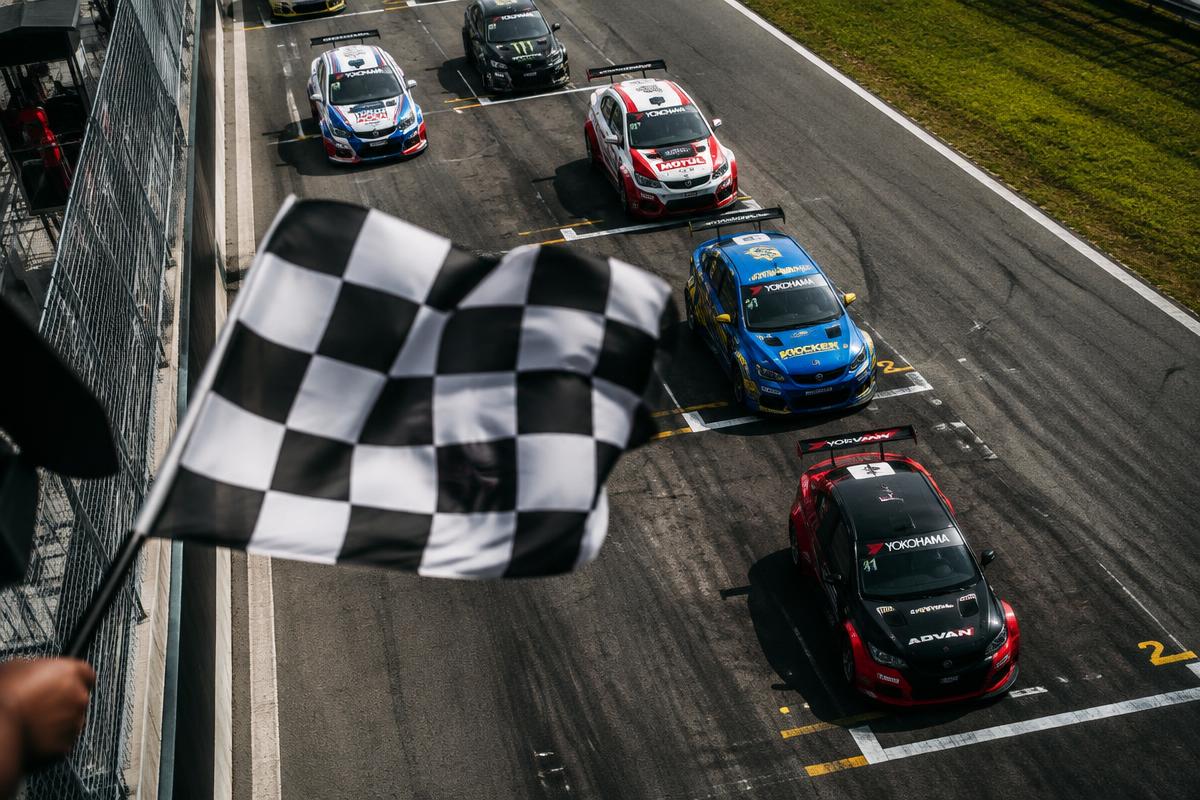
Most major championships run a similar three-day rhythm. Formula 1 is the best-known example.
Friday: practice
Teams use free practice sessions to learn the track, test car settings, and compare tires. Times matter less than information.
Saturday: qualifying
Qualifying decides the starting grid. In Formula 1 it runs as a knockout in three parts (Q1, Q2 and Q3). The slowest drivers are eliminated after each part, and the fastest driver in Q3 starts first, known as pole position.
Sprint weekends
On selected weekends, Formula 1 adds a short Sprint race with its own qualifying session. The Sprint awards fewer points than the Grand Prix.
Sunday: the race
Cars line up on the grid, the five red lights go out, and the race begins. Drivers usually make at least one pit stop for fresh tires. The first to complete the full race distance wins.
After the flag
Stewards may still review incidents and apply penalties after the race, so results are only final once confirmed.


